

Gonzalo at ECAP in Madrid
August 31, 2026
On obligations to investigate further, even when the evidence is good.
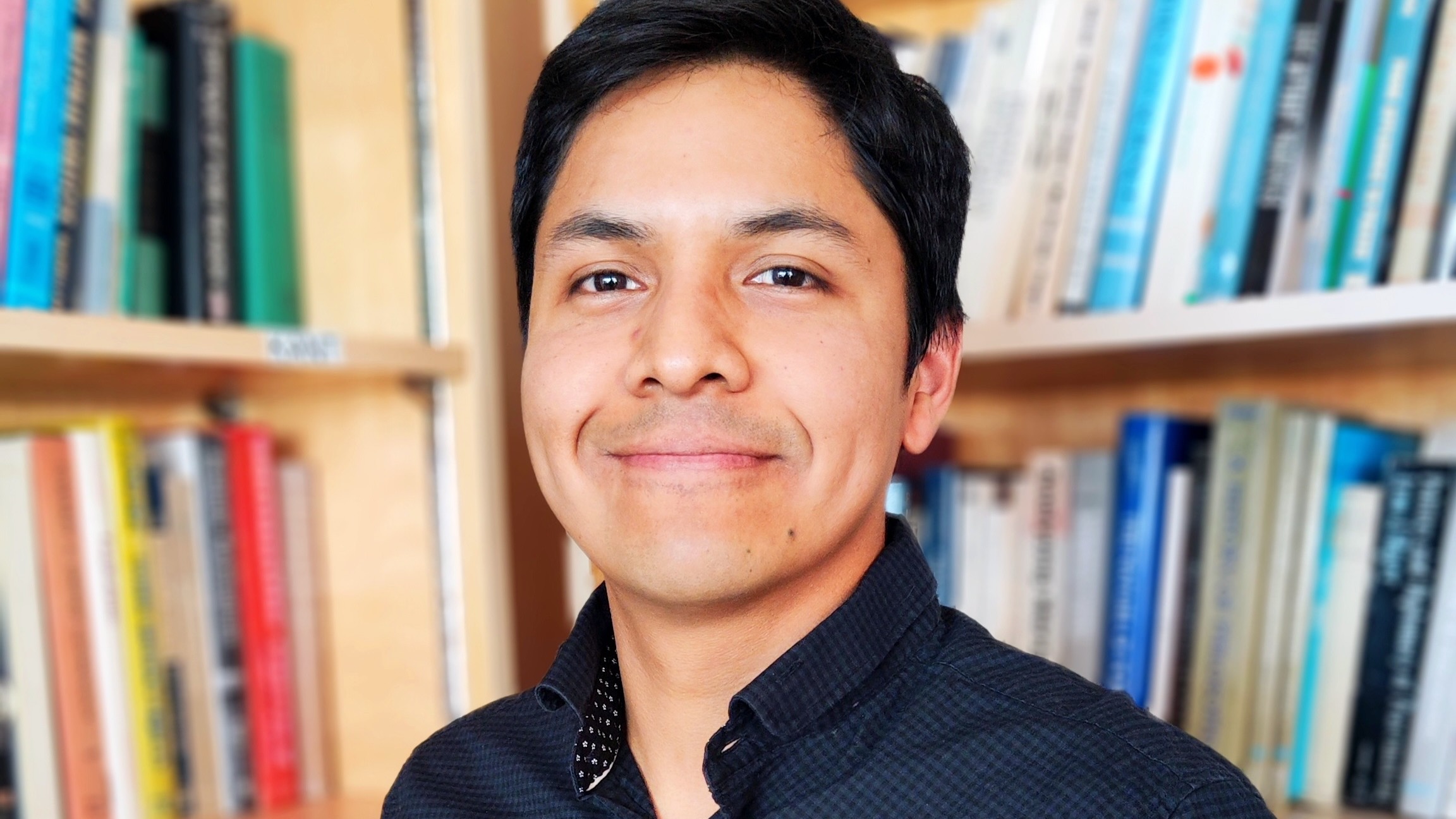
August 28, first year PhD student Gonzalo Ricaldi is in Madrid, presenting his work on "Rational Uncertainty and Epistemic Obligations to Inquire" at the 12th European Congress of Analytic Philosophy, convened by the European Society for Analytic Philosophy at one of the world's oldest universities, Complutense University of Madrid, founded in latter-day Complutum 697 years before the founding of the ESAP. Gonzalo's talk is abstracted below.
This paper offers a novel argument in favor of the recent zetetic turn in epistemology, the view that epistemic obligations include obligations to inquire. My argument centers on the thesis that we typically ought to be uncertain about what our evidence supports (Cf. Dorst 2019; 2020; Lasonen-Aarnio 2020). Given this thesis, I offer cases where it’s rational for a subject to be uncertain about what her evidence supports, despite her evidence, as a matter of fact, justifying believing a proposition p. Against an evidentialist position that restricts the scope of our epistemic obligations to adjust our doxastic attitudes to fit the evidence only, I argue that in these cases, to meet this primary epistemic obligation, one must meet a subsidiary epistemic obligation: to gather additional evidence bearing on the significance of her current evidence, i.e., evidence that would allow one to discern what the primary epistemic obligation requires from her.